
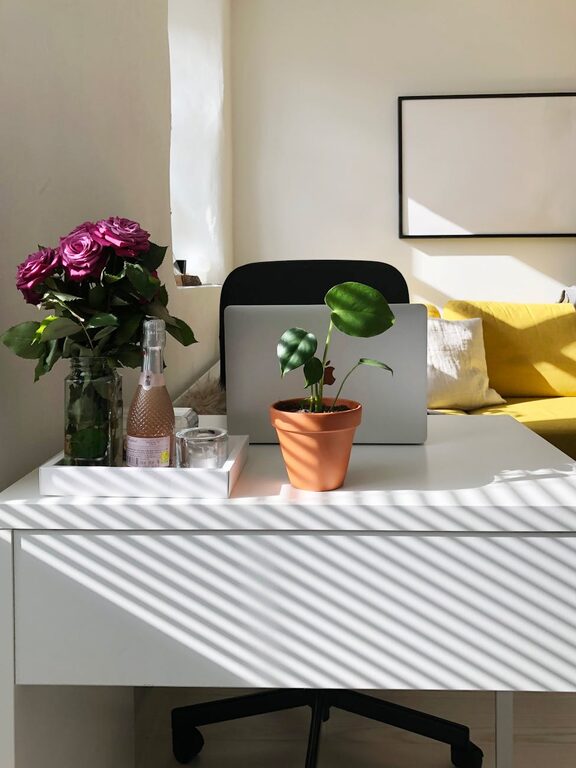
Creating a relaxing home workspace is essential for maintaining focus and boosting productivity, especially as more people work from home. A well-designed environment that promotes calm and comfort can help reduce stress, increase motivation, and improve overall work performance. In this post, we’ll explore practical tips to create a home workspace that feels both relaxing and productive.
Why a Relaxing Workspace Matters
Your workspace greatly influences how you feel and perform during the day. Clutter, poor lighting, or uncomfortable furniture can distract you and sap your energy. On the other hand, a serene, organized area helps you stay focused and makes working more enjoyable. When your workspace feels inviting, you’re more likely to look forward to your tasks and maintain a steady workflow.
Choosing the Right Location
Find a Quiet Spot
Select a location in your home that is quiet and free from distractions. This might be a spare room, a corner of your living room, or part of your bedroom. The key is to find a space where you can control noise and interruptions.
Consider Natural Light
Natural light boosts mood and alertness. Position your desk near a window if possible, but avoid glare on your screen. If natural light is limited, use a soft, adjustable desk lamp to reduce eye strain.
Organizing Your Workspace
Declutter Regularly
A clutter-free desk provides mental clarity. Keep only essential items on your desk and store other materials in drawers or shelves. Regularly clear your workspace to maintain a tidy environment.
Use Storage Solutions
Invest in organizers such as desk trays, file holders, and cable management systems. These tools keep your supplies neat and make it easier to find what you need quickly.
Ergonomics for Comfort and Health
Choose the Right Chair
A comfortable, supportive chair is crucial for long working hours. Look for one with adjustable height, lumbar support, and armrests.
Set Up Your Desk Properly
Your computer screen should be at eye level to prevent neck strain. Place your keyboard and mouse within easy reach, and keep your wrists straight when typing.
Adding Relaxing Elements
Incorporate Plants
Plants add a touch of nature and improve air quality. Small potted plants or succulents are easy to care for and can create a calming atmosphere.
Use Soothing Colors
Colors influence mood. Soft blues, greens, or neutrals tend to be relaxing and can help maintain focus. Consider your wall colors, desk accessories, or artwork.
Personalize Thoughtfully
Include personal items that make you smile, such as photos or inspirational quotes. Avoid overcrowding your desk with too many decorations to keep the space uncluttered.
Managing Technology
Minimize Screen Glare
Adjust blinds or use an anti-glare screen protector to reduce eye strain caused by reflections.
Use Noise-Cancelling Headphones
If background noise is unavoidable, noise-cancelling headphones can create a quiet bubble for concentration.
Keep Digital Files Organized
Just as physical clutter matters, digital clutter can also be distracting. Use folders and clear file naming to keep your desktop and documents orderly.
Establishing Boundaries
Create a Routine
Set work hours and breaks to separate work time from personal time. This helps your mind switch gears and prevents burnout.
Define Your Workspace
Avoid working from your bed or couch. Having a distinct workspace signals to your brain that it’s time to work, boosting focus.
Enhancing Air Quality
Ventilate When Possible
Fresh air helps you stay alert. Open a window or use an air purifier to keep your environment fresh.
Keep Hydrated
Keep a water bottle at your desk to encourage regular hydration, which aids concentration.
Practical Tips to Boost Relaxation and Productivity
– Start your day with a brief mindfulness exercise or deep breathing.
– Use a timer to work in focused intervals, such as the Pomodoro Technique (25 minutes work, 5 minutes break).
– Play soft instrumental or ambient music if it helps you concentrate.
– Take short breaks away from your desk to stretch and relax your eyes.
Conclusion
Designing a relaxing home workspace involves thoughtful choices about location, organization, comfort, and atmosphere. By creating a space that feels calm and inviting, you set yourself up for a more productive and enjoyable workday. Small changes can make a big difference—try implementing these tips to find what works best for you and your home office.
Remember, your workspace should support your work habits and well-being. With the right setup, working from home can be both productive and pleasant.